

Influencers and content creators in Lebanon have become an integral part of daily life, influencing their followers’ choices,
from the products they buy and the places they visit, to the content they watch and engage with.
As the digital advertising market has expanded, a significant portion of marketing campaigns has shifted to social media platforms.
Consequently, there is a growing need for a clear legal framework to regulate this sector.
In this context, Lebanon has begun discussing an “Influencer Law” aimed at defining rights and responsibilities, as well as promoting transparency in published content.
Draft Law on Influencers and Content Creators
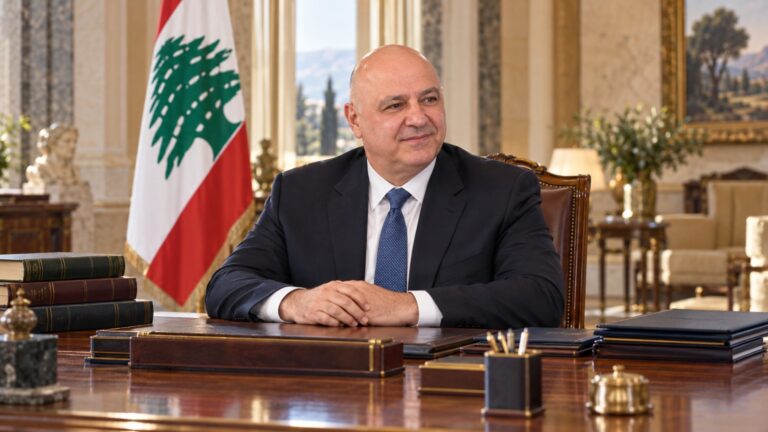
Lebanese Minister of Information Paul Marqus announced work on a draft law specifically for influencers, content creators, and bloggers,
in parallel with work on the new media law.
The bill is still in its early stages. The draft is expected to include a clear definition of an influencer, content creator, and blogger.
Furthermore, the law may define their responsibilities regarding what they publish on digital platforms.
In addition, the bill may address issues such as combating misinformation, hate speech, and defamation, as well as protecting privacy and minors.
Once the first draft is prepared, it is expected to be presented for discussion with relevant stakeholders and experts.
Afterward, the necessary legal procedures will be completed before the draft is enacted.
What Might Lebanon’s Influencer Law Include?
The Influencer and Content Creator Law may focus on regulating the relationship between influencers and their audience, on the one hand, and between influencers and advertising companies, on the other.
First, the law may require that the nature of promotional content be made clear to followers.
When an influencer receives financial compensation or a benefit in exchange for promoting a product or service, this must be made clear to the public.
Second, the law may establish rules to limit misleading advertisements or inaccurate information.
Consequently, this could help protect consumers and build trust in digital content.
Conversely, regulation is not limited to imposing responsibilities on influencers; it may also help protect their rights.
For example, the law could more clearly define their relationship with companies and advertising contracts.
It may also regulate rights related to the use of published content, images, and materials.
How do other countries regulate the work of influencers?
Lebanon is not the first country to move toward regulating the digital content industry.
Several countries have adopted laws or regulations defining the responsibilities of influencers and advertising on social media platforms.
In France, for example, there are rules governing influencer advertising and specifying certain prohibited practices.
In the UAE, certain digital media and advertising activities are subject to specific regulations and permits.
Similarly, the United States and the United Kingdom emphasize the need for clear disclosure of paid advertising content.
This allows the public to distinguish between advertising and personal opinions or experiences.
On the other hand, China has imposed restrictions on the provision of certain types of specialized content, particularly in sensitive areas.
In some cases, it also requires certain qualifications or experience before specialized advice can be provided.
Between Regulating the Sector and Protecting Freedom of Content
The drafting of an influencer law in Lebanon represents a step that may help regulate a rapidly growing sector,
especially as social media platforms have become a vast advertising market.
However, the main challenge remains in drafting a law that strikes a balance between multiple objectives.
On the one hand, it must protect the public from misinformation and misleading advertisements.
On the other hand, it is important to safeguard the rights of influencers and content creators.
At the same time, the law should not become a tool that restricts freedom of expression or digital creativity.
Therefore, the debate over the details of the bill will be crucial to arriving at a clear and balanced formulation.
As the debate on the draft bill begins, the question remains: What regulations should the law governing influencers and content creators in Lebanon include?