
Bill Clinton: Presidency, Achievements, and Controversies
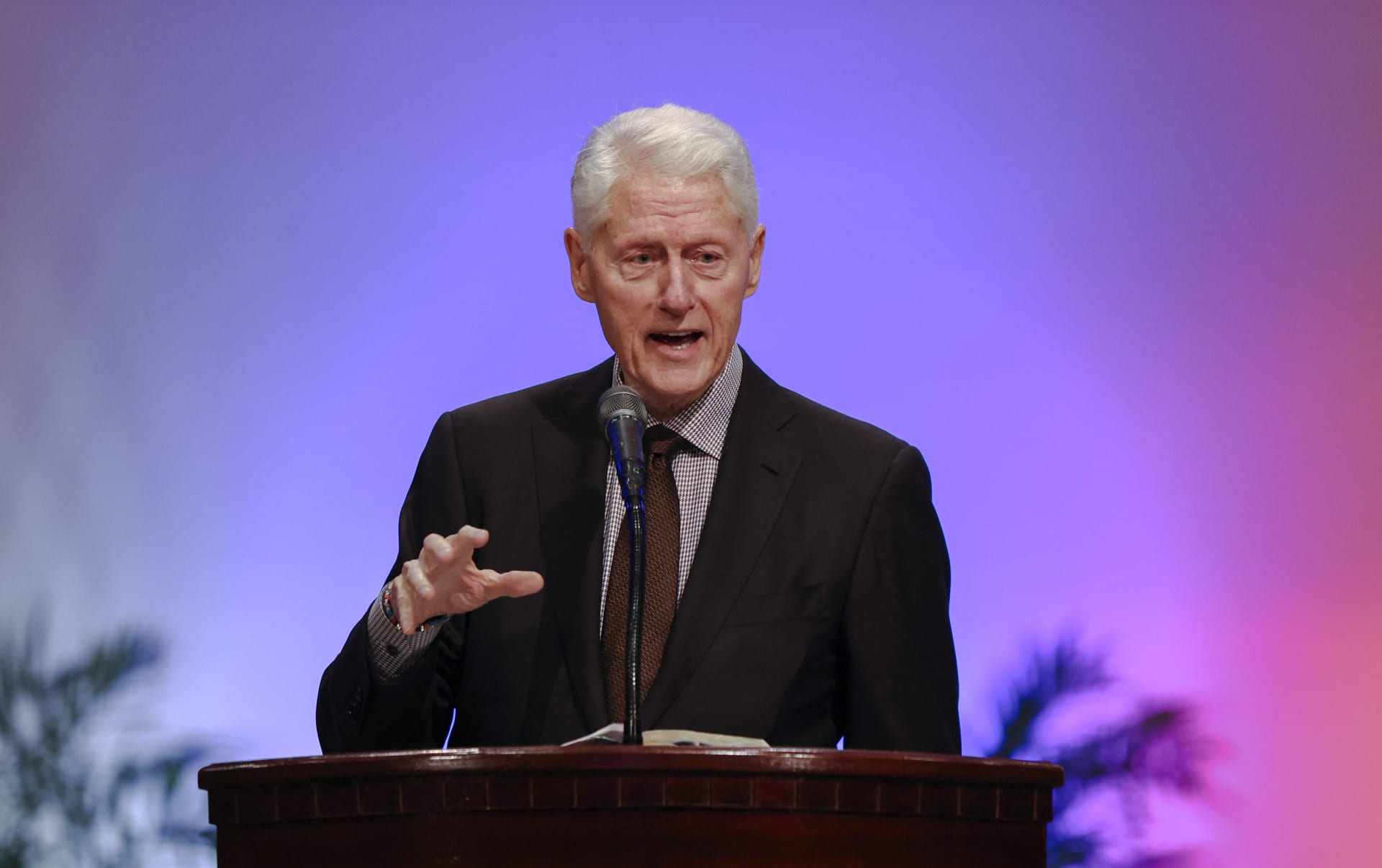
Many people consider Bill Clinton one of the most prominent presidents in modern American history. He served as the 42nd President of the United States from 1993 to 2001.
His presidency coincided with strong economic growth and several major domestic reforms. However, political and personal controversies also shaped his years in office.
Bill Clinton was born on August 19, 1946, in Hope, Arkansas. He studied international relations at Georgetown University. Later, he attended Yale Law School, where he met his future wife, Hillary Clinton.
Clinton began his political career in Arkansas. He served as the state’s Attorney General before becoming Governor. Arkansas voters elected him governor several times.
Clinton Wins the 1992 Election
In 1992, Clinton defeated Republican President George H. W. Bush. His victory made him the first Democratic president elected since Jimmy Carter.
During his presidency, the United States experienced a long period of economic growth. Unemployment declined, while the federal government achieved budget surpluses near the end of his term.
Clinton also supported the North American Free Trade Agreement. In addition, his administration expanded healthcare programs for children.
On the international level, Clinton supported several peace initiatives. His administration contributed to the negotiations that produced the Good Friday Agreement in 1998. The agreement helped reduce conflict in Northern Ireland.
Clinton Survives the Monica Lewinsky Scandal
The Monica Lewinsky scandal created the biggest political crisis of Clinton’s presidency. Lewinsky had previously worked as a White House intern.
In 1998, the House of Representatives impeached Clinton for perjury and obstruction of justice. However, the Senate acquitted him of both charges.
As a result, Clinton remained president and completed his second term in January 2001.
Clinton’s Political Legacy
Bill Clinton remains one of the most influential American presidents of recent decades.
His supporters praise his economic record and political communication skills. They also highlight his ability to negotiate and build agreements with political opponents.
However, his critics continue to question his trade and social policies. They argue that some decisions created long-term economic and social consequences.
Therefore, Clinton’s presidency remains both influential and controversial. His achievements, policies, and personal scandals continue to shape discussions about his political legacy.