

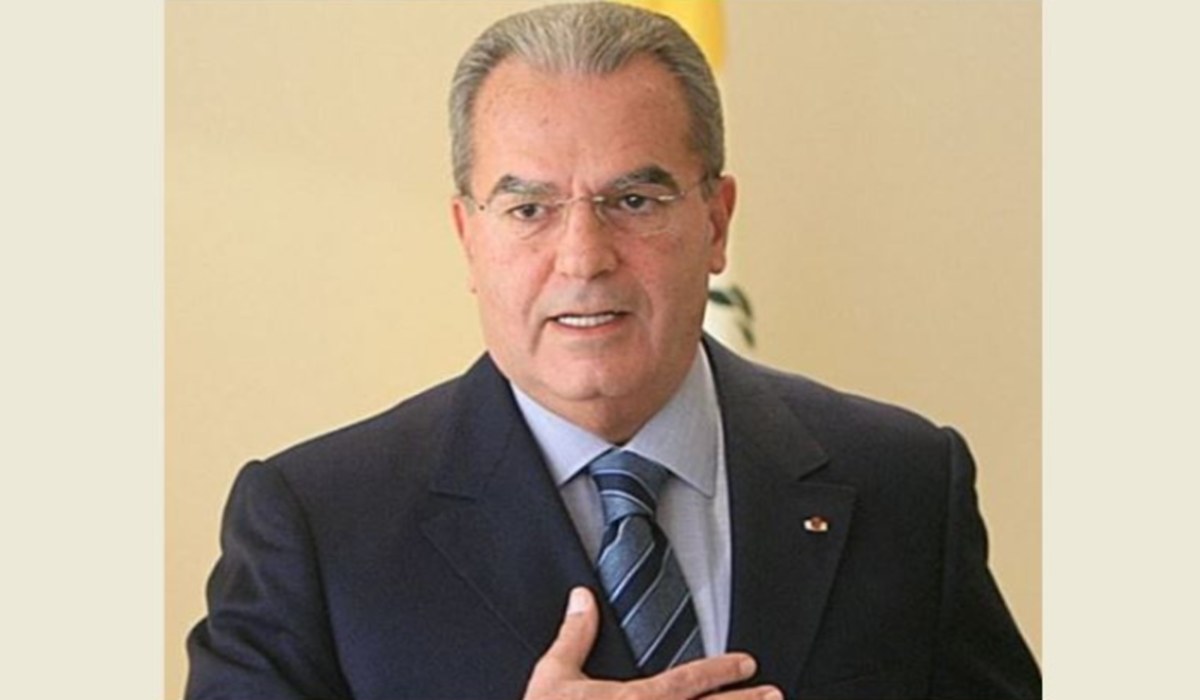

Wadie Khazen: A Leading Lebanese National Figure
Wadie Khazen stands among Lebanon’s prominent political and social figures. Throughout his career, he combined ministerial responsibilities with national and humanitarian work.
He became widely known for promoting dialogue among Lebanon’s political and religious communities. He also defended national stability and consistently called for stronger state institutions.
Through his leadership of the Maronite General Council, Khazen strengthened his presence in Lebanese public life. His moderate positions and commitment to coexistence earned him respect across different communities.
A Life Dedicated to Public Service
Khazen played an important role in Lebanon’s political and social life for several decades. He approached national issues with openness and moderation. Rather than choosing confrontation, he encouraged communication and consensus.
His public service extended far beyond official positions. Khazen remained close to citizens and listened directly to their concerns. His home welcomed people in need, visitors seeking assistance, and individuals who felt that no one heard their voices.
He viewed leadership as a responsibility toward society. For him, political work had to serve people and protect their dignity.
Leadership of the Maronite General Council
Khazen led the Maronite General Council during a critical period in Lebanon’s history. Under his leadership, the Council promoted Maronite concerns within a broader national vision.
He rejected isolation and sectarian fanaticism. Instead, he encouraged cooperation with Lebanon’s political, religious, and social communities.
Khazen worked to strengthen the Council’s role as a unifying national institution. He believed that Lebanese unity provided the foundation for a strong and balanced state.
Throughout his presidency, he maintained communication with political and spiritual leaders from different backgrounds. These relationships helped him build bridges and support national dialogue.
Firm National Positions
Khazen firmly defended Lebanon’s model of coexistence. He also highlighted the historical and cultural role of Christians in the country.
During sensitive political periods, he supported initiatives that encouraged dialogue and reduced tensions. He relied on calm communication, practical thinking, and mutual understanding.
Rather than adding to political divisions, Khazen often sought common ground. His balanced approach allowed him to contribute to efforts aimed at resolving national crises.
He consistently called on Lebanese leaders to protect state institutions. He also urged them to place national interests above political and sectarian calculations.
A Strong Humanitarian Commitment
Khazen believed that public service did not begin or end with an official title. He considered it a humanitarian and ethical duty.
Every day, he received visitors from different regions, communities, and social backgrounds. He listened to their needs and tried to assist them whenever possible.
His humanitarian work did not distinguish between religious or political affiliations. Khazen believed that every person deserved dignity, respect, and support.
His name became associated with several charitable and social initiatives. These efforts supported families in need and encouraged solidarity within Lebanese society.
Through this work, he demonstrated that leadership requires compassion as much as political experience.
An Extensive Network of Relationships
Khazen maintained strong relationships with political and spiritual leaders in Lebanon and abroad. His broad network often allowed him to serve as a trusted mediator.
Many people valued his calm manner and clear national vision. During meetings and political discussions, he consistently emphasized dialogue over confrontation.
His relationships also strengthened communication between religious institutions and political authorities. This role gave him a unique position in Lebanese public life.
A Legacy of Moderation and Giving
Wadie Khazen’s journey reflects the qualities of a statesman who combined political thought, national vision, and humanitarian commitment.
During periods of division, he promoted moderation. During difficult times, he defended human dignity and supported those in need.
Khazen strengthened his public standing through his dedication to national causes and social service. He also played a unifying role between spiritual leadership and political life.
His open home became a symbol of his approach to leadership. It welcomed citizens, listened to their concerns, and offered help whenever possible.
Through service, dialogue, and generosity, Wadie Khazen embodied a model of national leadership based on responsibility and giving.