
Between what a woman gives to others and what she keeps for herself, the story of “Dunia” unfolds, the new play starring Nada Abu Farhat, which brings motherhood, love, sacrifice, and self-fulfillment into direct conflict and poses a universal question that transcends the stage: What remains of a woman when she spends her years putting others before herself?
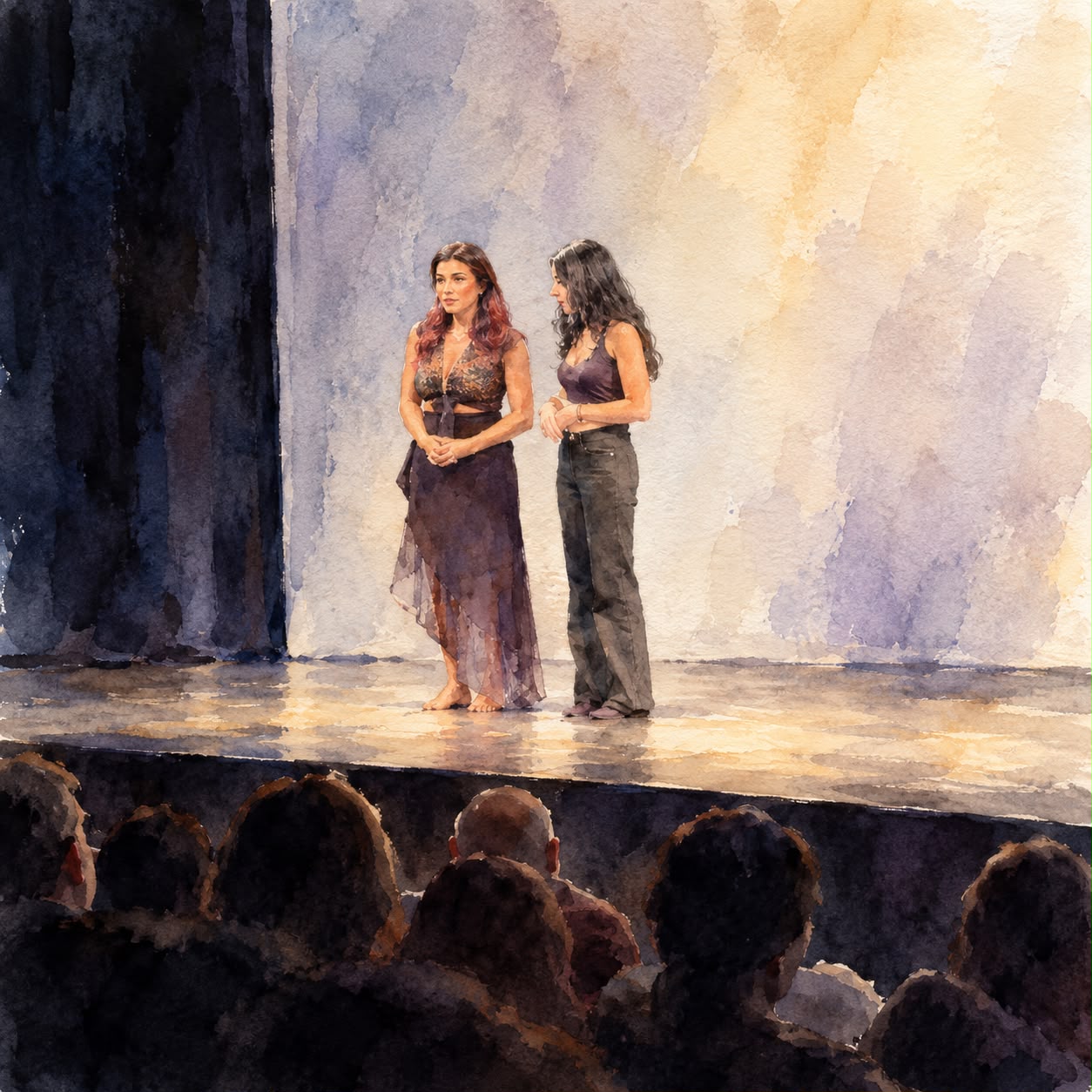
From September 16 to 27, 2026, the Dawar Al-Shams Theater in Tayouneh, Beirut, will host performances of “Dunya,” written and directed by Ziad Najjar, with the production set to tour other theaters afterward.
“Dunya”… A Woman Caught Between Motherhood and Self-Discovery
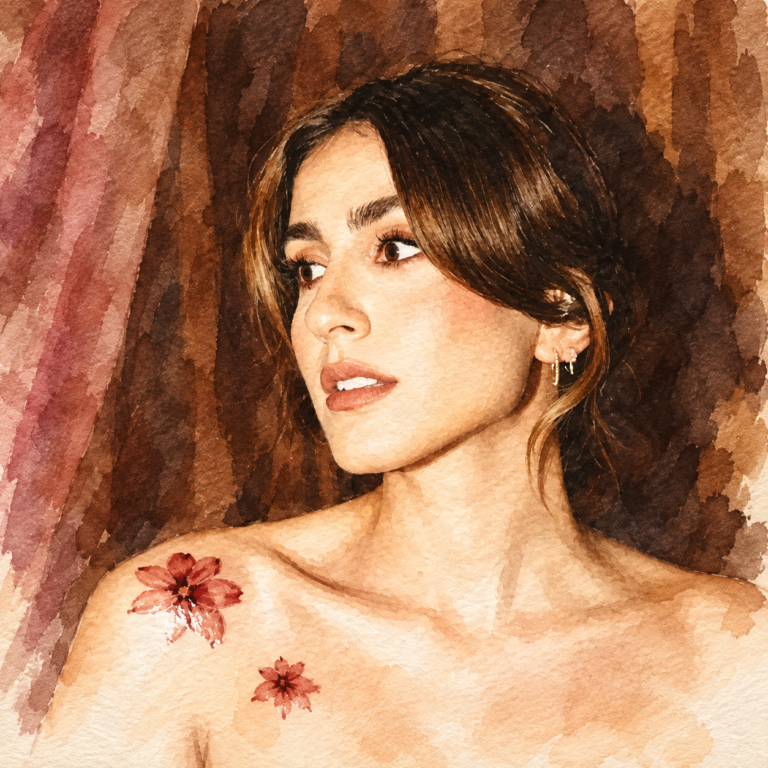
“Dunya” stands at a pivotal moment in her life. A woman who has spent years devoting her time and attention to others—first and foremost her daughter—suddenly finds herself facing a question she has long put off: What does she want?
As a single mother bearing sole responsibility for her daughter, “Dunya” has grown accustomed to being the mother, caregiver, and pillar of support. But her daughter’s eighteenth birthday and her decision to embark on a more independent life leave the mother facing a void she doesn’t know how to handle.
For the first time, she must look at her life beyond her role as a mother and reclaim the dreams she had put on hold and the personal life that had nearly vanished behind her daily responsibilities.
But rediscovering herself is no easy path.
The more “Dunya” tries to get in touch with herself and discover her desires, the more her maternal instinct reasserts itself, and she finds herself caught in an internal conflict between her need to live her own life and her fear that this choice might seem like a departure from those she loves.
Can a mother choose herself without feeling guilty?
The play “Dunya” does not offer ready-made answers, but rather raises a series of questions about the image of women and mothers in society.
Can a woman love herself without being accused of selfishness? Can a mother find self-fulfillment without feeling guilty toward her children? Where does the duty of sacrifice end, and where does the right to a personal life begin?
Through the character of “Dunya,” the play explores a human experience shared by many women, where the boundaries between love and sacrifice, and between responsibility and loss of self, become deeply blurred.
Live music is part of the story
The theatrical experience gains an additional dimension through the live music performed by Ziad Najjar directly on stage.
Here, the music is not merely a backdrop to the performance, but a dramatic element that accompanies “Dunya’s” psychological state and its shifts, moving with her between joy and heartbreak, strength and fragility, the desire for freedom and nostalgia for the past.
In this way, words, performance, and music intertwine to form an inner world that reflects the character’s transformations.
“Dunya”… a name that encapsulates life
The choice of the name “Dunya” is not arbitrary. The name does not merely refer to the play’s protagonist; it carries a broader significance that alludes to life in all its contradictions: joys and disappointments, beginnings and endings, things that life gives to a person and others that it takes away.
From this perspective, “Dunya’s” journey becomes a quest to find the meaning of her own life after years of devoting herself to others.
From the Stage to the Stories of Real Mothers
The performance takes on a special social dimension on September 24, during an evening organized by the play’s cast in collaboration with the Fifty-Fifty Association, which will highlight the experiences of single mothers and the stories of women who have managed to transform difficult circumstances and heavy responsibilities into opportunities for success and self-fulfillment.
Here, “Dunia” steps beyond the confines of her theatrical character to meet real women and hear stories that resemble her own or intersect with hers in certain details
A woman trying not to lose herself
Ultimately, “Dunya” does not seek to present an ideal model of a woman or a mother, nor does she categorize her choices as right or wrong. She approaches women as they are: they love, sacrifice, make mistakes, hesitate, long for something, and seek a space of their own.
And perhaps that is why “Dunia” seems to transcend the story of a single woman.
For within many women, a little “Dunya” may live—a woman who gives from her heart, shoulders her responsibilities, tries to protect those she loves, and at the same time seeks a simple, fundamental right: to remember herself as well
Hana Bilal