
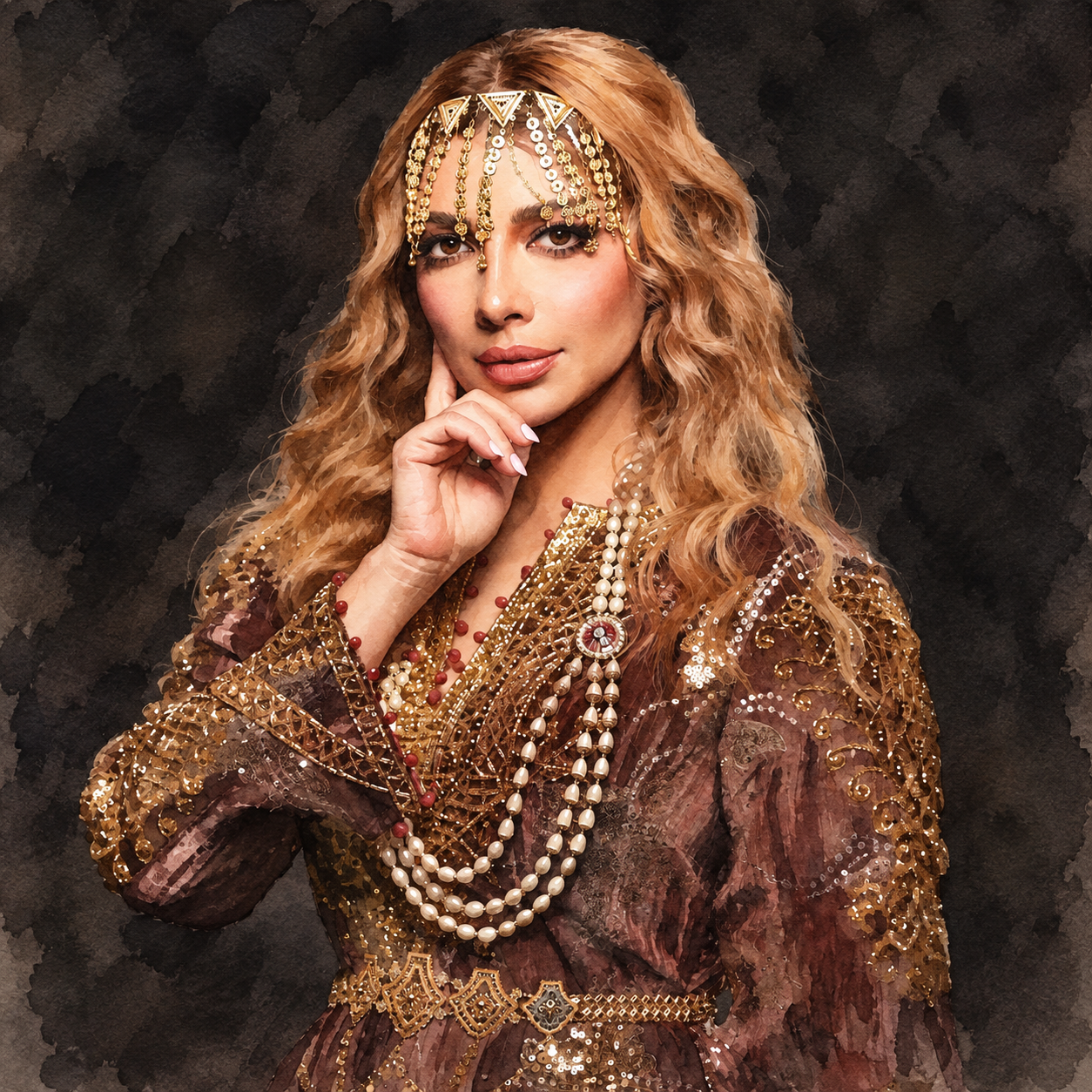

Singer Asala Nasri is preparing to mark her return to Damascus after an absence of nearly 15 years,
with two highly anticipated concerts at the Al-Fayha Sports Hall on September 17 and 19, marking a remarkable artistic milestone whose significance extends beyond the realm of music and singing.
The Syrian singer’s return is drawing widespread attention, especially since Asala’s name has been associated in recent years
with political stances supporting the protests in Syria. Consequently, news of the concerts has reignited public debate in Syria about her relationship with the past,
and the extent to which the country’s transformations have influenced the return of Syrian artists to the local arts scene.
Conversely, the Ministry of Culture and the Syrian Artists’ Union welcomed the concerts,
while Culture Minister Mohammad Yassin Saleh affirmed his support for Syrian artists returning to their country and participating in cultural and artistic activities.
Controversy Surrounds Asala’s Return to Damascus
Preparations for the two concerts were not without objections, as video clips circulated on social media
showing some concert posters being torn down, along with calls to cancel the artistic events.
Despite the controversy, preparations continued for the concerts to take place as scheduled, amid anticipation from the public
and media anticipation to see what Asala’s appearance would entail and what messages she would convey during her first major artistic appearance in the Syrian capital in many years.
Asala Revives Syrian Heritage
Assala’s return to Damascus was preceded by an artistic project titled “The Syrian Album… From Assala to the Syria We Love,”
a project featuring 14 songs inspired by Syria’s 14 governorates.
Through this project, Asala seeks to reintroduce a number of Syrian heritage styles within modern musical arrangements,
with a focus on the image of Syrian women and memories of weddings and folk celebrations.
The project also provides a platform for local heritage from different regions of Syria, in an effort to blend traditional musical identity with contemporary artistic styles.
Thus, Asala’s return is not merely two concerts, but an artistic and social event that re-examines questions related
memory, reconciliation, and the role of art in a new phase of the Syrian cultural scene.
As the dates of the concerts approach, all eyes remain on Damascus to see how the public will receive this comeback,
and whether it will pave the way for other Syrian artists to return to the country.