

In an evening that revived one of the most prominent symbols of traditional Lebanese dress, the Lebanese Craftsman House in Beirut became a space where the past meets the present. Through the “Queens of the Tantour” show, designer Joe Shalita presented a contemporary artistic vision of a heritage piece tied to the history of Lebanese women. He stressed that preserving cultural identity can begin with the details of clothing and handicrafts.
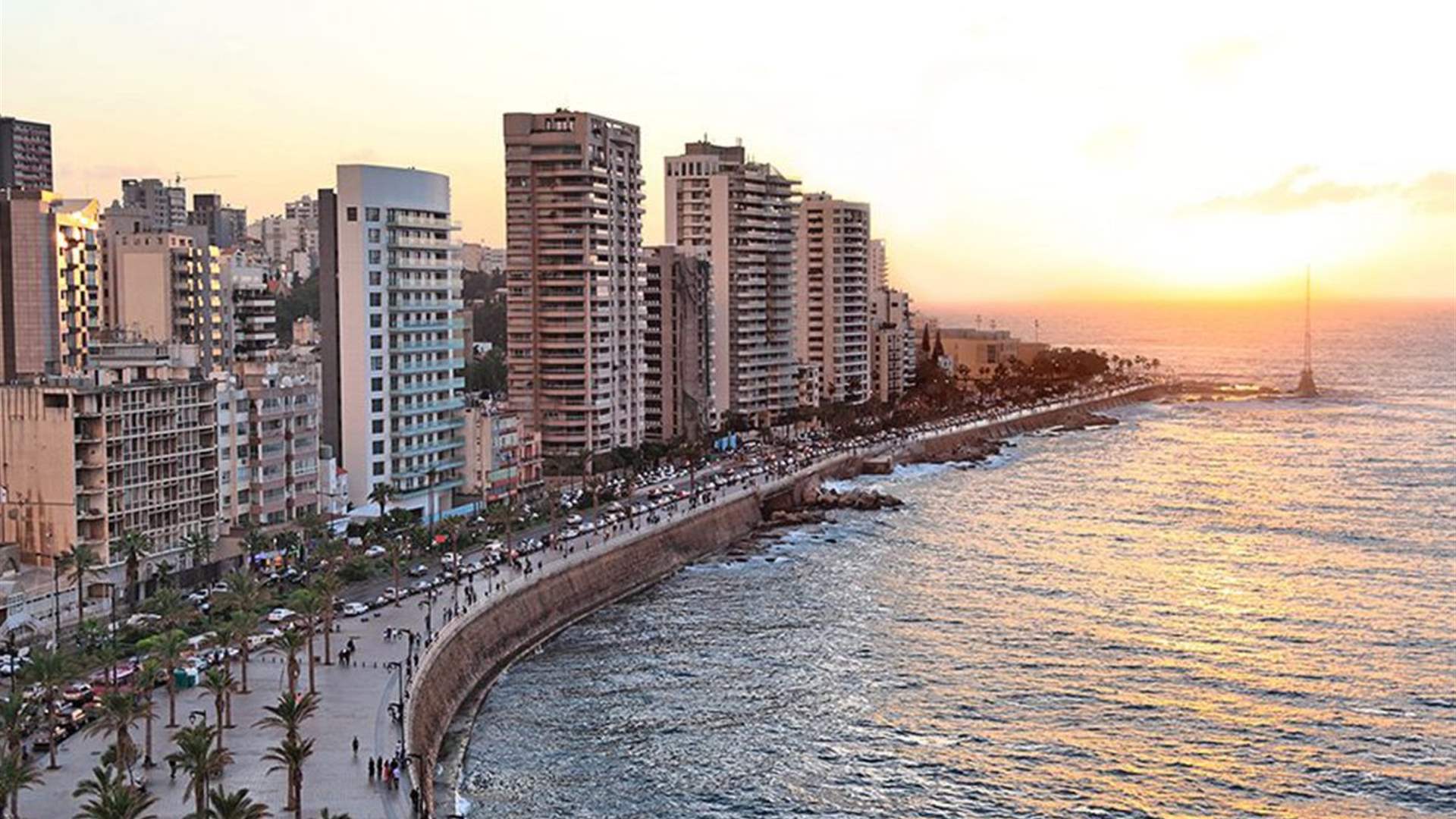
From Mount Lebanon’s Memory to the Fashion Runway
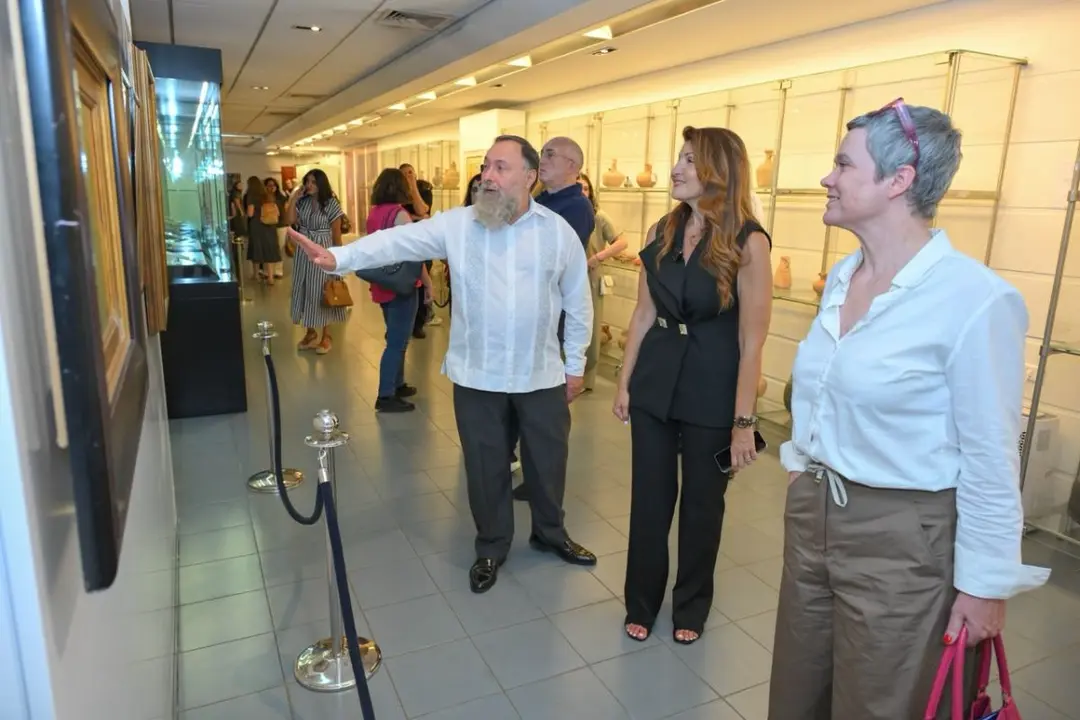
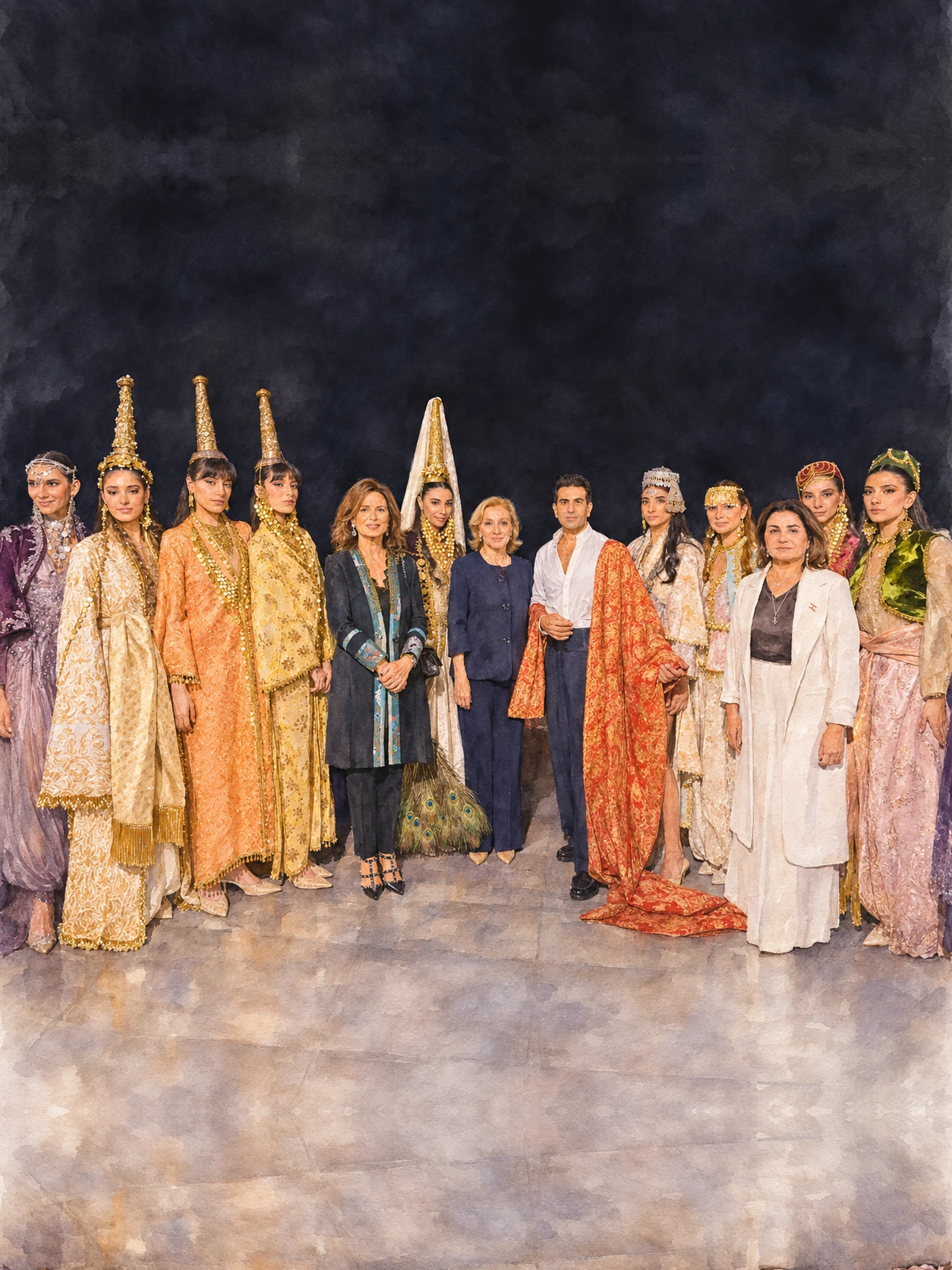
The “Lebanese Craftsman House” in Ain el-Mreisseh hosted an exceptional cultural event titled “Queens of the Tantour” (Queens of the Tantour). This show was created by Lebanese designer Joe Shalita.
The event was more than a fashion show. It was a visual journey through pages of Lebanon’s social and cultural history.
It brought back the tantour, the traditional headdress that defined women’s appearance in Mount Lebanon during earlier historical periods.
The show was held under the patronage of Minister of Social Affairs Hanin El Sayed and Minister of Tourism Laura Lahoud,
It was held in the presence of official, diplomatic, cultural and social figures. Therefore, this gave the occasion a dimension beyond the world of fashion and turned it into a celebration of Lebanese identity.
The event combined fashion, music and traditional crafts. It offered a cultural experience that evokes the past without losing touch with the spirit of the present.
The Tantour: A Symbol of Lebanese Identity and Elegance
The tantour holds a special place in the history of Lebanese dress, as it was never merely a head ornament,
but carried social and cultural meanings that reflected aspects of women’s lives and their status in society.
This headpiece was distinguished by its tall, conical shape and was made from various metals, most notably silver and copper.
Women adorned it with scarves and flowing fabrics, and its details and decorations varied according to social status and financial means.
Although the use of the tantour declined during the nineteenth century, its image remained preserved in collective memory. It was also kept in paintings, heritage collections and museums.
This is why the “Queens of the Tantour” show carried such significance: it moved this symbol from the framework of historical documentation. It brought it into the realm of contemporary creativity.
Rather than simply displaying a heritage piece as a relic of the past, Shalita presented it in a new artistic context. This allows younger generations to discover an aspect of the elegance and history of Lebanese women.
When Fashion Becomes a Means of Protecting Heritage
The importance of the “Queens of the Tantour” show lies in its ability to highlight the close relationship between traditional dress and cultural identity.
Traditional garments are not merely old designs. They carry in their details the stories, traditions and ways of life of the communities that created them.
They also reflect the nature of the materials used and the craft skills that developed across generations.
From this standpoint, the event was an attempt to restore value to elements of Lebanese heritage. These elements face the risk of fading due to social change and shifting lifestyles.
Notably, the project was not limited to aesthetics. It was also tied to reviving tantour craftsmanship in collaboration with copper artisans in Tripoli.
This step gives the initiative an important economic and cultural dimension, as it shines a light on Lebanese craftspeople who preserve rare traditional skills. It also opens the door to applying their expertise in contemporary design projects.
“Lebanese Craftsman House”: A Space Combining Authenticity and Creativity
Choosing the Lebanese Craftsman House to host the show carried a particular meaning. This is due to the role this venue plays in supporting handicraft industries and preserving craft heritage.
The revival of the house by the Ministry of Social Affairs is part of a broader direction. It is aimed at strengthening the presence of Lebanese heritage products,
and linking them to economic opportunities and new markets.
The “Queens of the Tantour” show embodied this vision by combining artistic design with copper craftsmanship,
reflecting how traditional crafts can be developed without losing their identity.
Music also added a cultural dimension to the evening, with the performance of musician Ghinwa Namnam on the qanun,
in a scene that brought together Eastern musical heritage and contemporary artistic expression.
In this way, the venue became a dynamic space where different elements of Lebanese culture interact. It brought together fashion and music with manual skills.
Lebanese Heritage: A Memory That Renews Itself
The “Queens of the Tantour” show demonstrated that protecting heritage does not necessarily mean confining it to museums and old photographs,
but can also be achieved by presenting it through innovative approaches that give it a place in contemporary life.
It also highlighted the importance of cooperation between designers, artisans and cultural institutions. In this way, Lebanese heritage can become a source of creativity, job opportunities and development.
In a country with such a rich diversity of traditional dress and crafts, similar initiatives carry special importance. They strengthen cultural belonging and highlight the distinctiveness of Lebanese identity to the world.
Between the elegance of the tantour, the skill of the artisans and the vision of modern design, the event offered a bright picture of Lebanon’s ability to draw on its history. As a result, this history helps build a renewed cultural future.
In Beirut, the tantour is no longer just a memory from a bygone era. It has regained its place as a symbol of the beauty of Lebanese heritage and as proof that authenticity can keep pace with the times without losing its soul.