

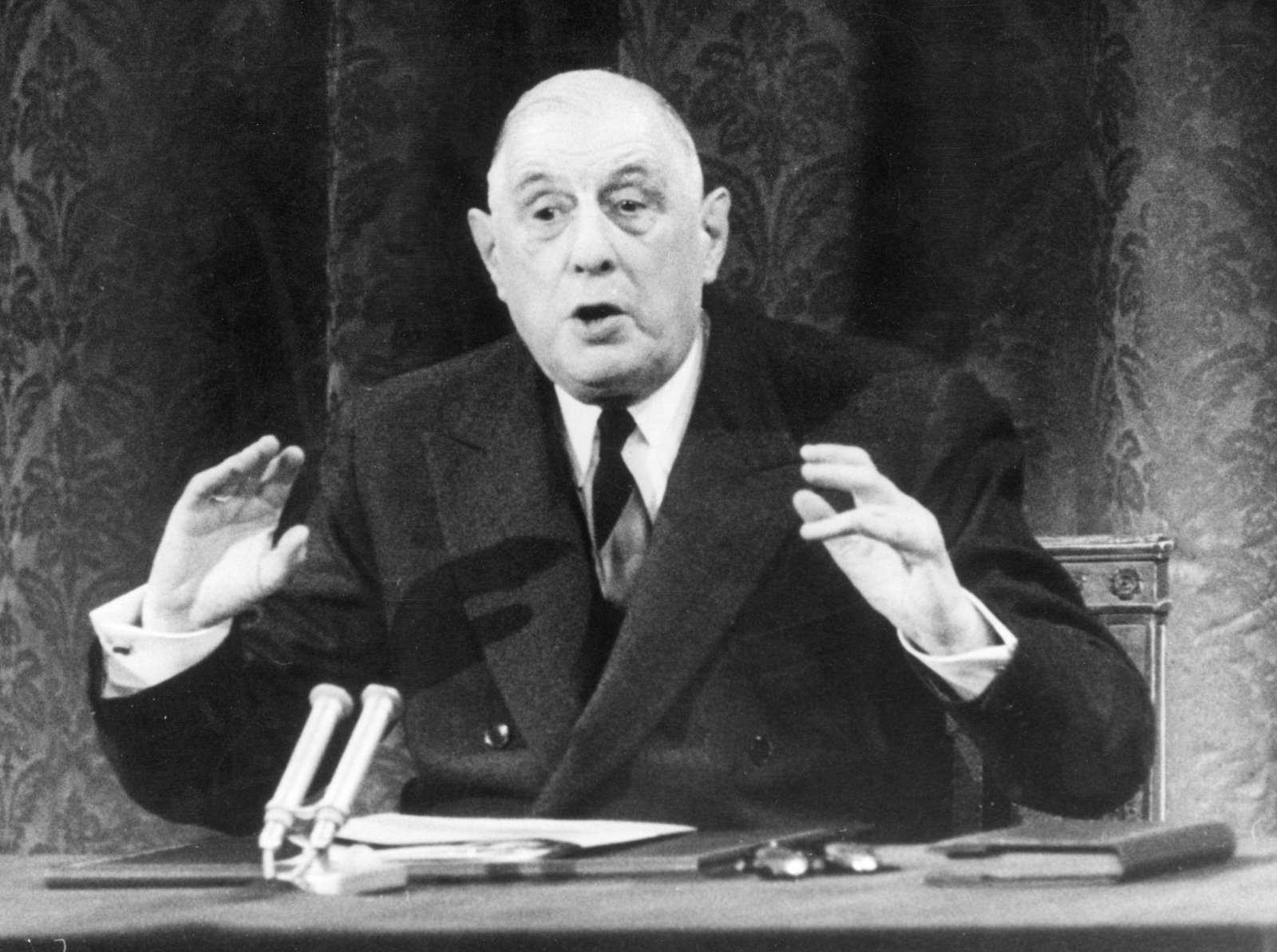

Discover the life of Charles de Gaulle, leader of Free France and founder of the Fifth Republic, and his role in World War II, building modern France, and strengthening its independence.
Charles de Gaulle is one of the most prominent political and military figures in French history, during the twentieth century, and he played a pivotal role in leading the French Resistance during World War II, and contributed to the establishment of the Fifth Republic, which still governs France.
He was born on November 22, 1890, in the French city of Lille, graduated from the military academy and became an officer in the army, participated in World War I and was captured by German forces.
Leader of the Free France Movement
He led the Free France movement during World War II, after France was occupied by Nazi Germany, launched his famous appeal from the British capital London on June 18, 1940, calling on the French to continue the resistance.
He assumed the presidency of France’s provisional government after the liberation of France in 1944, and established the Fifth Republic in 1958, following a severe political crisis that the country witnessed.
President of France in 1959
He was elected President of France in 1959, worked to strengthen France’s independence in foreign policy decision-making and made the decision to grant Algeria independence in 1962 after a long war.
He sought to build an independent French nuclear force, France withdrew during his tenure from NATO’s integrated military command in 1966.
Resignation from the Presidency of the Republic
He resigned from the presidency of the Republic in 1969 after losing a constitutional referendum, passed away on November 9, 1970, at the age of 79.
Charles de Gaulle is considered the founder of modern France and one of the most prominent European leaders of the twentieth century. He left a profound mark on French history, through rebuilding the state after World War II, and his name remains associated with national sovereignty and political independence.