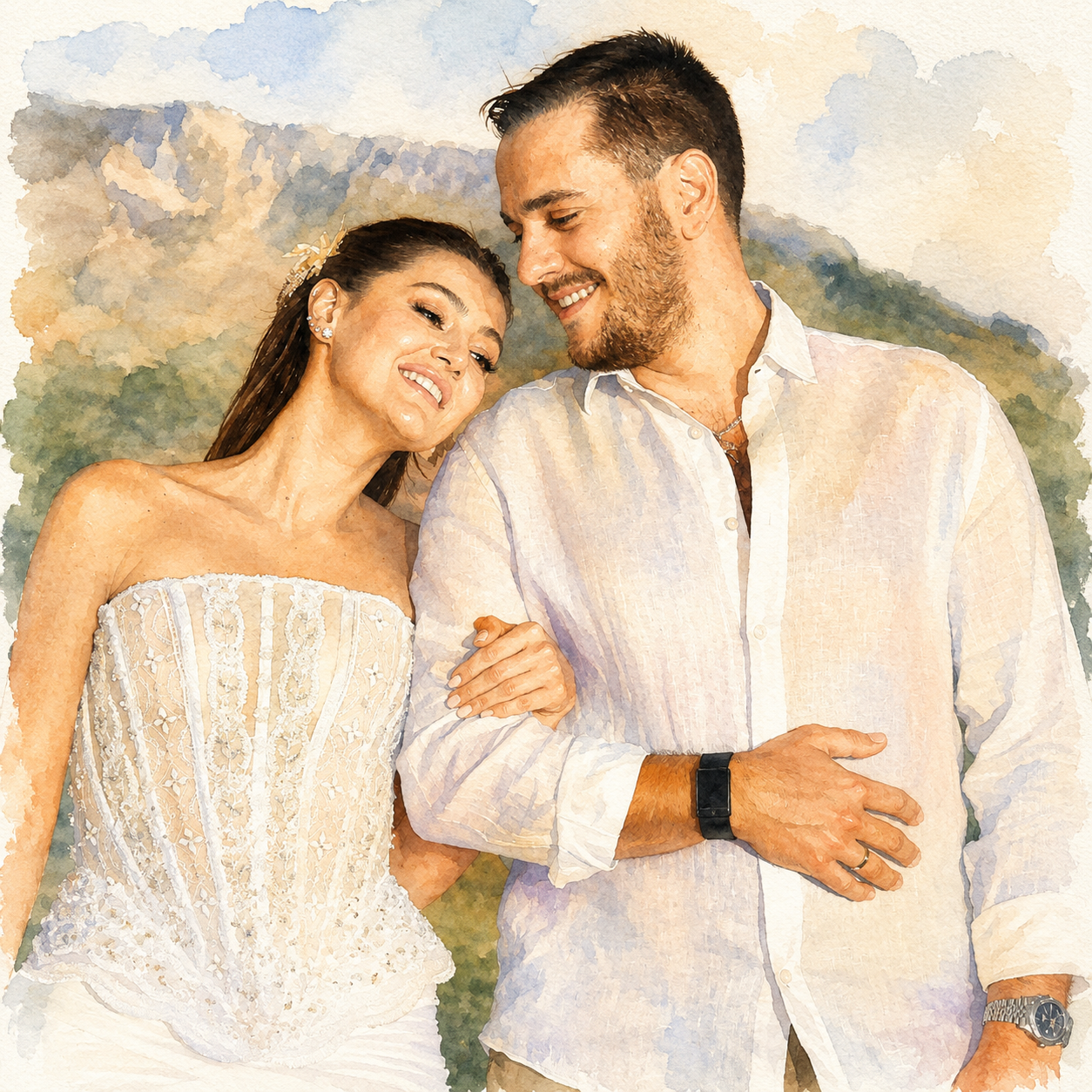


The phrase “Today I am free,” which Lebanese star Elissa used in her message to her audience, was not merely an expression of her happiness at releasing her new album “Elissar.”
It carried a deeper meaning that goes beyond the song and the album, raising an important question: When does an artist become free in their art, and who holds the final say over their career, the artist or the production company?
Elissa chose to speak candidly about years of difficulties and of legal and digital disputes that accompanied her artistic journey.
After a long wait, she found in her fourteenth album an opportunity to reclaim what she considers her right to present music that reflects who she is.
Elissa Breaks Free… But From What?
When a singer of Elissa’s stature says “Today I am free,” the phrase deserves a pause.
She is not an artist at the beginning of the road searching for an opportunity, but a star who has made a musical history and built a wide audience over the years.
Yet her experience shows that fame and success do not necessarily grant an artist complete freedom in making artistic decisions.
Elissa spoke of legal and digital battles that delayed her album’s arrival to the public. She also affirmed that she no longer wishes to chase trends or produce works whose goal is to prove success through numbers.
Here lies the importance of her message. For her, freedom seems closer to reclaiming artistic control and returning to genuine feeling, away from the commercial calculations that may impose themselves on music-making.
Production Companies… Between Creating Stars and Restricting Their Freedom
The major role production companies have played in building the stardom of dozens of Arab singers cannot be denied. They provided funding, marketing and distribution, and opened doors for artists to reach wider audiences.
But the relationship between artist and production company has not always been easy.
Some contracts give companies broad powers over song selection, album release timing and distribution mechanisms. Disputes may also arise over ownership of recordings, digital rights and financial returns.
In such cases, the artist may find themselves unable to release a new work or control their previous ones, even though they are the owner of the voice and the artistic identity tied to it.
With the development of digital platforms, the relationship has become more complex. The matter is no longer limited to producing and distributing a song, but now includes streaming rights, online earnings and content management.
Nevertheless, not all production companies should be considered an obstacle to artistic freedom. A successful partnership rests on clear contracts and a balance between commercial investment and creative independence.
Has the Trend Become the New Production Company?
What stands out in Elissa’s message is that she spoke not only of freeing herself from legal difficulties, but also announced her refusal to chase trends and numbers.
This point is no less important than her disputes with production companies.
In the past, a song’s success was measured by sales, concerts and radio airplay.
Today, views, engagement and algorithms have become essential parts of assessing success.
As a result, some singers may feel pressure to change their style or produce short songs that spread quickly, rather than focusing on works that express their artistic personality.
This raises the question: Has the artist freed themselves from the authority of production companies only to find themselves facing a new authority called digital platforms?
In her message, Elissa seems to answer this question by choosing feeling over numbers, and artistic identity over competing for trends.
Artistic Freedom Does Not Mean the End of Production Companies
Elissa’s experience opens the door to a broader discussion about the future of the Arab music industry.
Artists need professional institutions that support their productions and help them reach audiences, just as production companies need stars capable of delivering successful works.
But the true success of this relationship should not rest on control, but on partnership and respect for mutual rights.
Moreover, it has become essential for artists to have greater legal awareness of the contracts they sign, especially regarding digital rights, ownership of works and conditions for ending cooperation.
The clearer and fairer the relationship, the greater the artist’s capacity to create, and the better the chances for production companies to achieve sustainable success.
“Today I Am Free”… A Message That Goes Beyond Elissa
Perhaps the most beautiful point in Elissa’s message is that she did not present the album “Elissar” merely as a collection of new songs, but as a personal and artistic milestone after years of challenges.
She is indirectly telling her audience that an artist can return to themselves no matter how long the road has been.
The broader message is that creating stars does not mean owning them, and that investment in art should not turn into a constraint on creative freedom.
Elissa said “Today I am free,” but the question that remains is: how many Arab artists are still waiting for the day they can say the same words?