
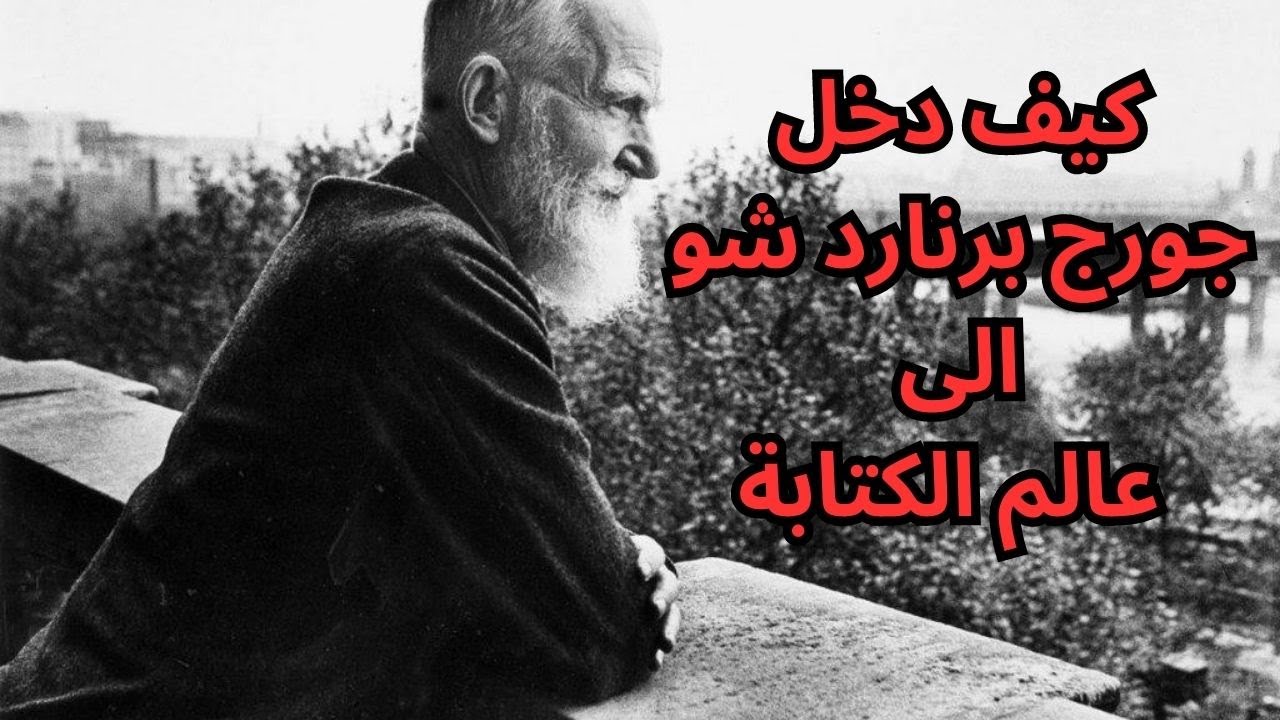

George Bernard Shaw: A Literary Giant
George Bernard Shaw ranks among the greatest writers and playwrights of the twentieth century. He created a rich literary and intellectual legacy that combined theatrical creativity, social criticism, and sharp wit.
Through his plays, Shaw explored political, religious, and social issues. His satirical yet thoughtful style made him a leading figure in modern English literature. His achievements also earned him the Nobel Prize in Literature.
From Dublin to London
George Bernard Shaw was born in Dublin, Ireland, in 1856. He later moved to London, where he developed his intellectual and literary interests.
During his early years, Shaw faced financial and professional difficulties. However, he continued to write and study. He also worked as a literary and music critic and developed a strong interest in politics and culture.
These experiences shaped his views and influenced much of his later work.
A Distinctive Writing Style
Shaw rejected many traditional approaches to literature. Instead, he used theatre as a platform for debate and social reform.
His plays often challenged accepted beliefs, customs, and social systems. He relied on satire, intelligent dialogue, and humour to communicate serious ideas.
Shaw also became famous for his memorable sayings. Many of them examined human behaviour, society, politics, and morality.
His Most Famous Works
Shaw wrote several influential plays during his long career. “Pygmalion” remains one of his best-known works and continues to influence literature, theatre, and cinema.
His other major plays include “Man and Superman,” “Saint Joan,” and “Arms and the Man.” He also produced many essays, reviews, and critical works.
Through these writings, Shaw defended social justice and questioned the traditions of his time. He encouraged audiences to think critically about inequality, class, education, and political authority.
The Nobel Prize and His Views on Awards
Shaw received the Nobel Prize in Literature in 1925. The award recognised his literary talent and the importance of his work.
Despite this achievement, Shaw often expressed scepticism about prizes and public honours. He valued ideas and intellectual independence more than official recognition.
His strong opinions and unconventional personality regularly caused controversy. However, they also strengthened his reputation as an original and fearless thinker.
A Lasting Literary Legacy
George Bernard Shaw died in 1950 at the age of 94. Although his intellectual activity slowed during his later years, his influence remained strong.
His plays continue to entertain audiences while encouraging discussion and reflection. His universal ideas, sharp humour, and criticism of society have secured his place among the most important literary figures in history.