


Jensen Huang’s return to leading Nvidia has once again highlighted the importance of artificial intelligence in Asian economies.
Markets in Japan, South Korea and Taiwan have seen notable volatility, in tandem with the rise in the company’s shares and concerns over US regulatory restrictions.
Nvidia a Driver of Economic Growth in Asia
Nvidia plays a pivotal role in developing Asia’s technology sector, as it relies on Taiwan’s TSMC to manufacture most of its electronic chips.
Japanese and South Korean companies are also benefiting from growing demand for artificial intelligence components.
In the same context, Nvidia plans to invest about $150 billion annually in Taiwan, according to Huang’s statements.
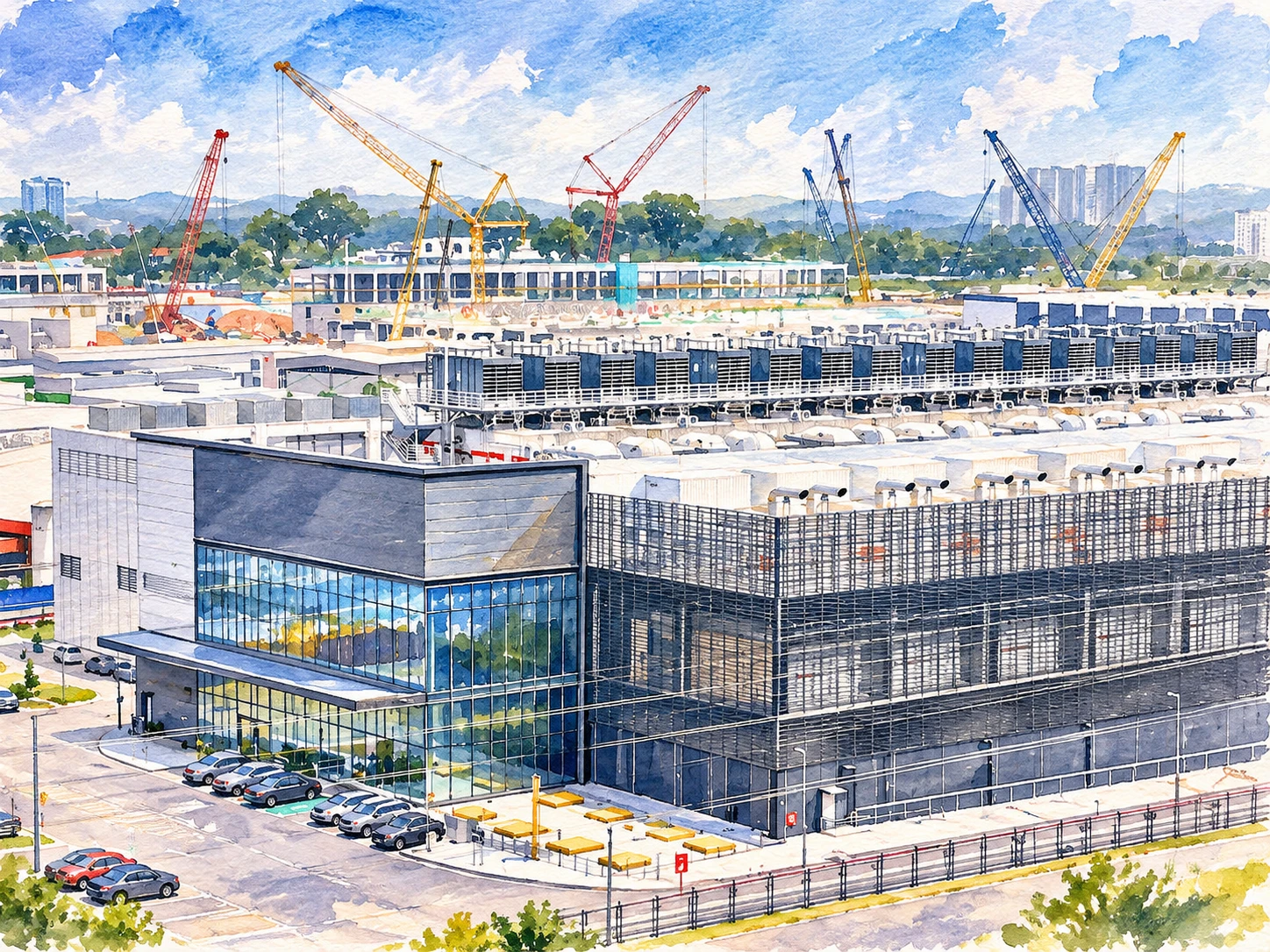
Meanwhile, the Asia-Pacific region is witnessing a boom in data center investments, which reached a record $11.6 billion in 2025.
In addition, Google, Microsoft and Oracle plan to increase their infrastructure spending in the region by about 60 percent during 2026.
Promising Opportunities and New Challenges
Despite these investment opportunities, Asian economies face challenges linked to US restrictions
on the export of advanced chips to China.
The growing reliance on Nvidia also raises concerns about the sustainability of growth.
Nevertheless, artificial intelligence continues to strengthen Asia’s position in the global digital economy, opening new horizons for innovation and investment.