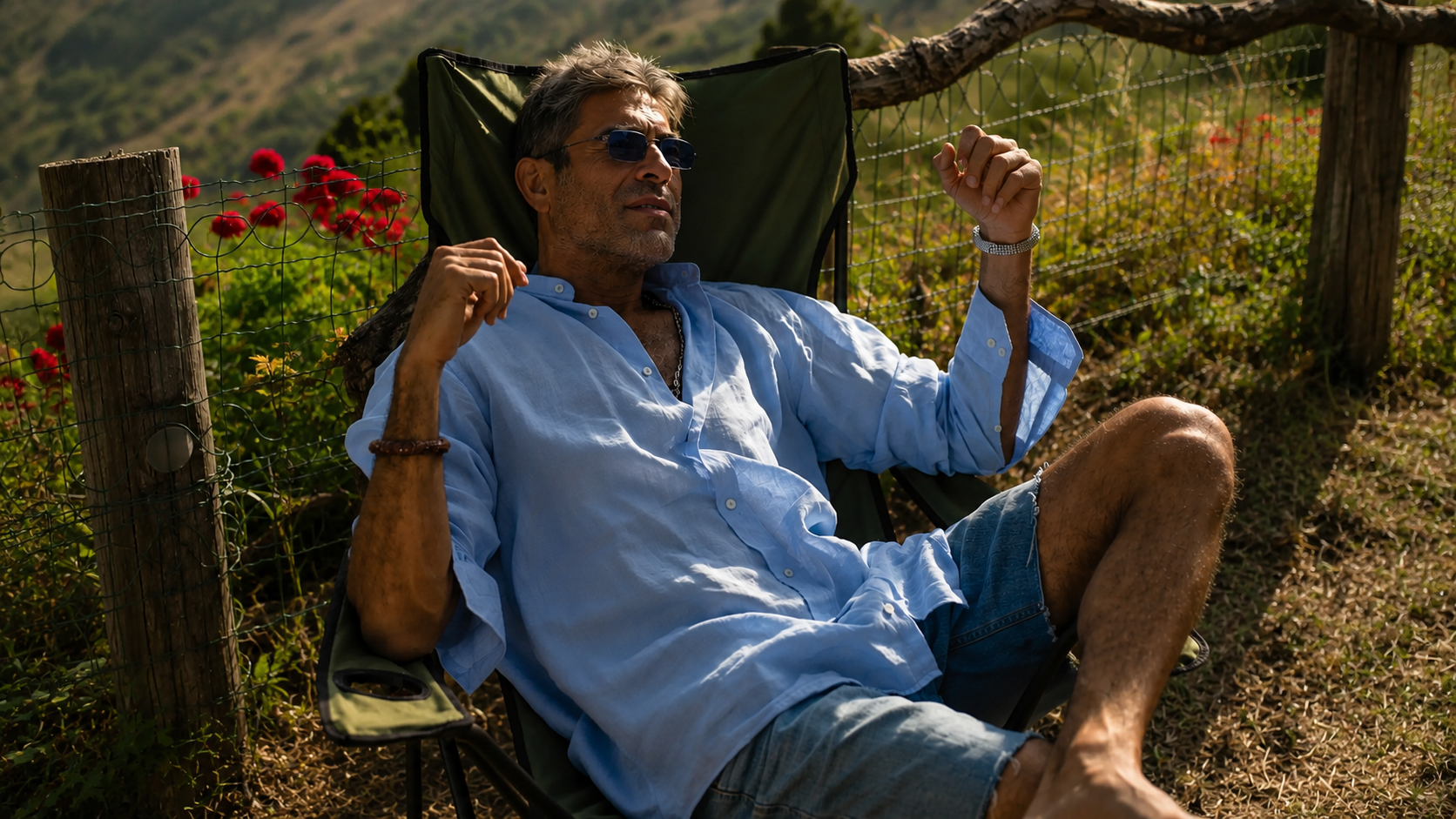



At the height of his artistic success, Syrian artist Al-Shami surprised his audience by announcing a temporary pause from singing and performing, after four years of rapid rise and consecutive achievements.
However, the decision has opened the door to questions that go beyond the reasons for the break, particularly about the messages he wanted to convey in his latest song “Ta’a,” and why he chose to open it with testimonials from artists and stars about him, and to use fans’ voices in its recording.
Al-Shami Between Success and the Need to Pause
Al-Shami, whose real name is Abdulrahman Fawaz, announced through his Instagram account that he had decided to step away from the music scene temporarily for reasons he described as “healthy and unhealthy,” without revealing further details.
The announcement came at a notable point in the young artist’s career,
after he succeeded in building a broad fan base in just four years.
Nevertheless, he was keen to reassure his fans that the decision does not mean retirement,
saying: “I’m taking a break and coming back. In this period I’m preparing a new album for you, new stories, and fixing the broken things inside me.”
In a lighthearted tone, he added: “No drama,” in an attempt to ease his audience’s concern.
Why Did Al-Shami Open “Ta’a” With Star Testimonials?
Beyond the decision to pause, “Ta’a” stands out as a work that raises intriguing artistic questions.
Why did Al-Shami choose to open the song with testimonials from artists about his talent and success? And why did he want the voices of stars to precede his own in a work with an emotional character?
This choice may be an attempt to document an important phase of his artistic journey and highlight the recognition he has received from figures in the artistic community.
The opening can also be read as a message of appreciation to the artists who supported his career, and as a signal of the distance he has traveled from his beginnings to his current position.
Still, the most important question remains: did Al-Shami want “Ta’a” to be more than just a romantic song,
transforming it into an artistic testimony to his journey before announcing his break?
So far, the published information does not provide enough details to determine the intent behind this introduction, confirm the identity of all the artists who took part in it, or explain their reasons for participating.
Fans’ Voices in “Ta’a”… What’s the Secret?
Another striking element is Al-Shami’s use of fans’ voices in recording the song.
What would drive an artist to involve his audience in a musical work rather than relying solely on his own voice?
Artistically, this step can be interpreted as an attempt to bring the atmosphere of concerts and direct interaction into the recording, so that the listener feels like part of the experience rather than merely a recipient of it.
The idea may also carry a deeper emotional meaning. Al-Shami’s rise was closely tied to widespread engagement on digital platforms, and his relationship with his audience has become a fundamental part of his success.
From this perspective, fans’ voices can be seen as a symbol of the partnership between the artist and his supporters. This interpretation, however, remains an artistic reading rather than a confirmed statement from him.
“Ta’a” Continues to Rack Up Millions
Al-Shami released “Ta’a,” with lyrics written in collaboration with poet Mazen Daher and music composed in partnership with Karim Abdo.
The song has surpassed 13 million views on YouTube within 11 days of its release, reflecting the continued strong audience presence of the Syrian artist.
The work blends Al-Shami’s talent for delivering emotional songs in a contemporary style with the poetic touch of Mazen Daher, who contributed to crafting lyrics that resonate with listeners’ feelings.
Does “Ta’a” Carry a Message of Temporary Farewell?
With Al-Shami’s announcement of the pause, his latest song has taken on new meanings for his audience.
Was its introduction, which brings together testimonials from artists and the voices of fans, meant as an indirect message of thanks? And was Al-Shami already thinking about stepping away when he chose these artistic details?
There is no information confirming a deliberate link between the song and the decision to take a break, but the timing of the two opens the door to these questions.
Meanwhile, Al-Shami confirmed that he will release the remaining six songs from his debut album “Hawiyeh” (Identity) in December, before meeting his audience at his anticipated concert in Beirut later that same month.
The Beirut concert is expected to be his last live meeting with fans before the break begins, and he expressed hope that the break will not be long.
Between the success of “Ta’a” and the decision to pause, Al-Shami’s journey appears to be entering a new chapter, one focused on self-care and recharging, in the hope that he will return to his audience with music that carries even more experiences and emotions.